

From ontology and existentialism to the teleological ambiguity of art
Artmaking and civilization have coexisted for millennia. Over time, the humans’ tendency to rationalize the world around them prompted the need to elucidate the purpose of artmaking.

Artmaking and civilization have coexisted for millennia. Over time, the humans’ tendency to rationalize the world around them prompted the need to answer the purpose of artmaking, and consequently the purpose of an artwork. Countless articulations of said purposes have been made and debated; and this article seeks to contribute to the discussion in a different manner—to proclaim the occasionally overlooked teleological ambiguity of the art.
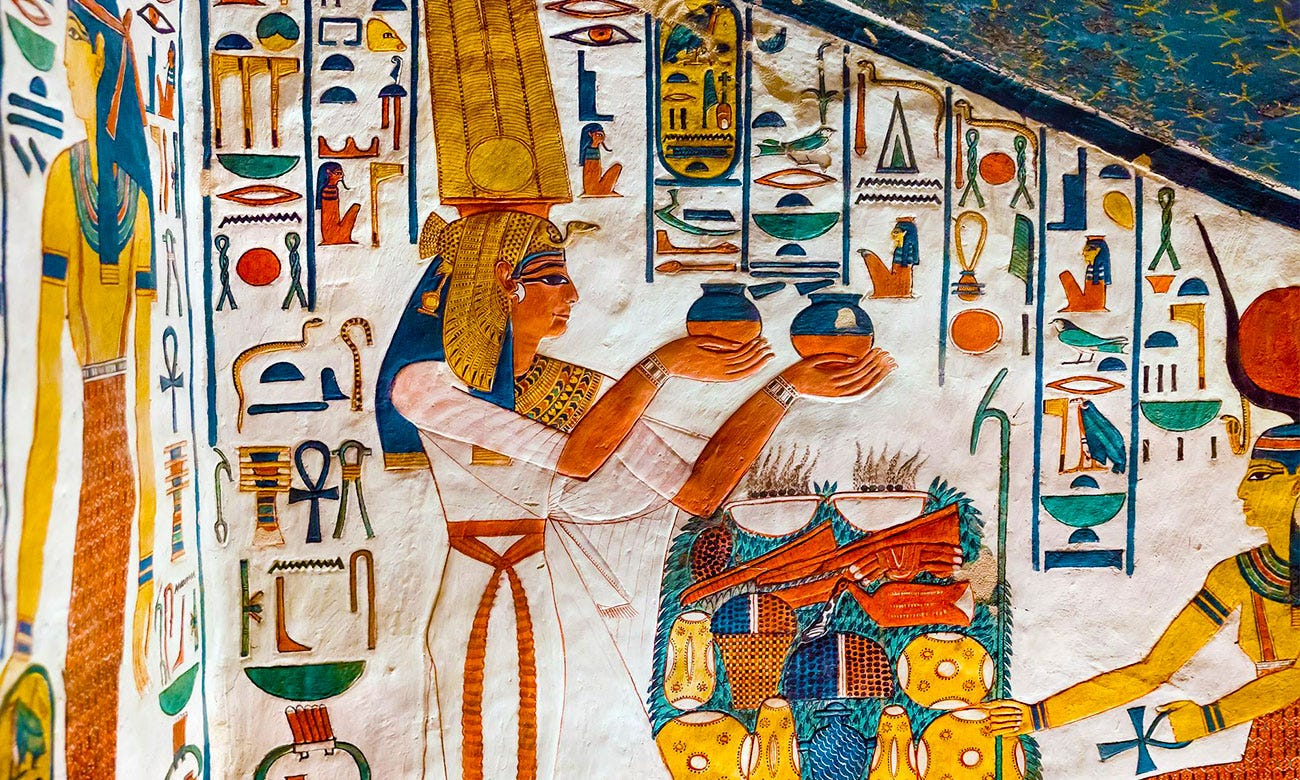
An instance of an established teleology proposed for the art is “art for social change,” whose adversary is commonly regarded as “art for art’s sake.” The endorsement of the former usually points to the role of art in raising awareness, the inherent ideological nature of art, and the artist, whose ontology cannot be separated from the interdependent world in which they live. More institutional narratives like that of Marxism would go further to assert that the purpose of the human society is to achieve communism; thus, art and the artists as constituent of the human society have to will themselves to this cause. There, we have a starting point for ambiguating the teleology of the art.
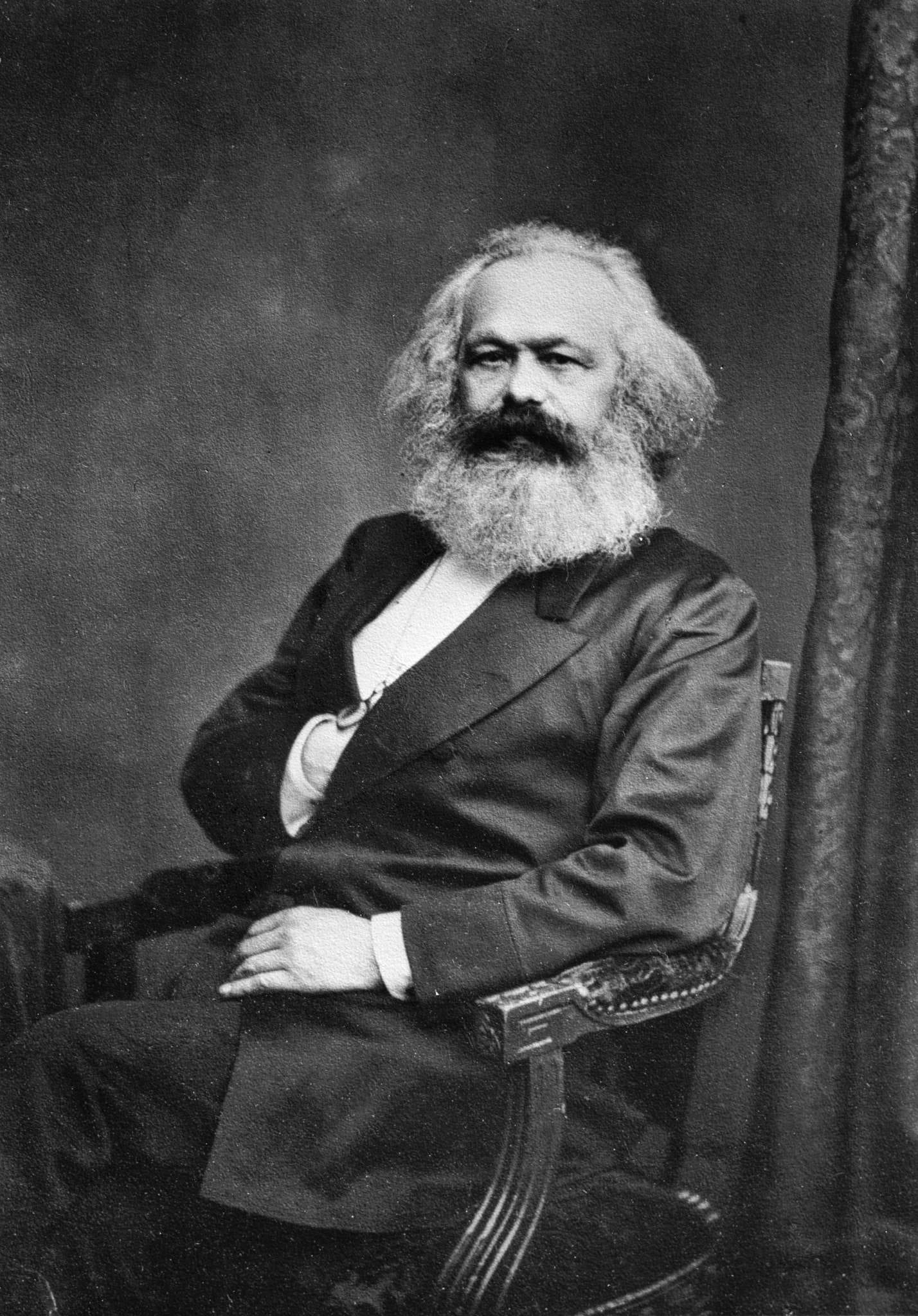
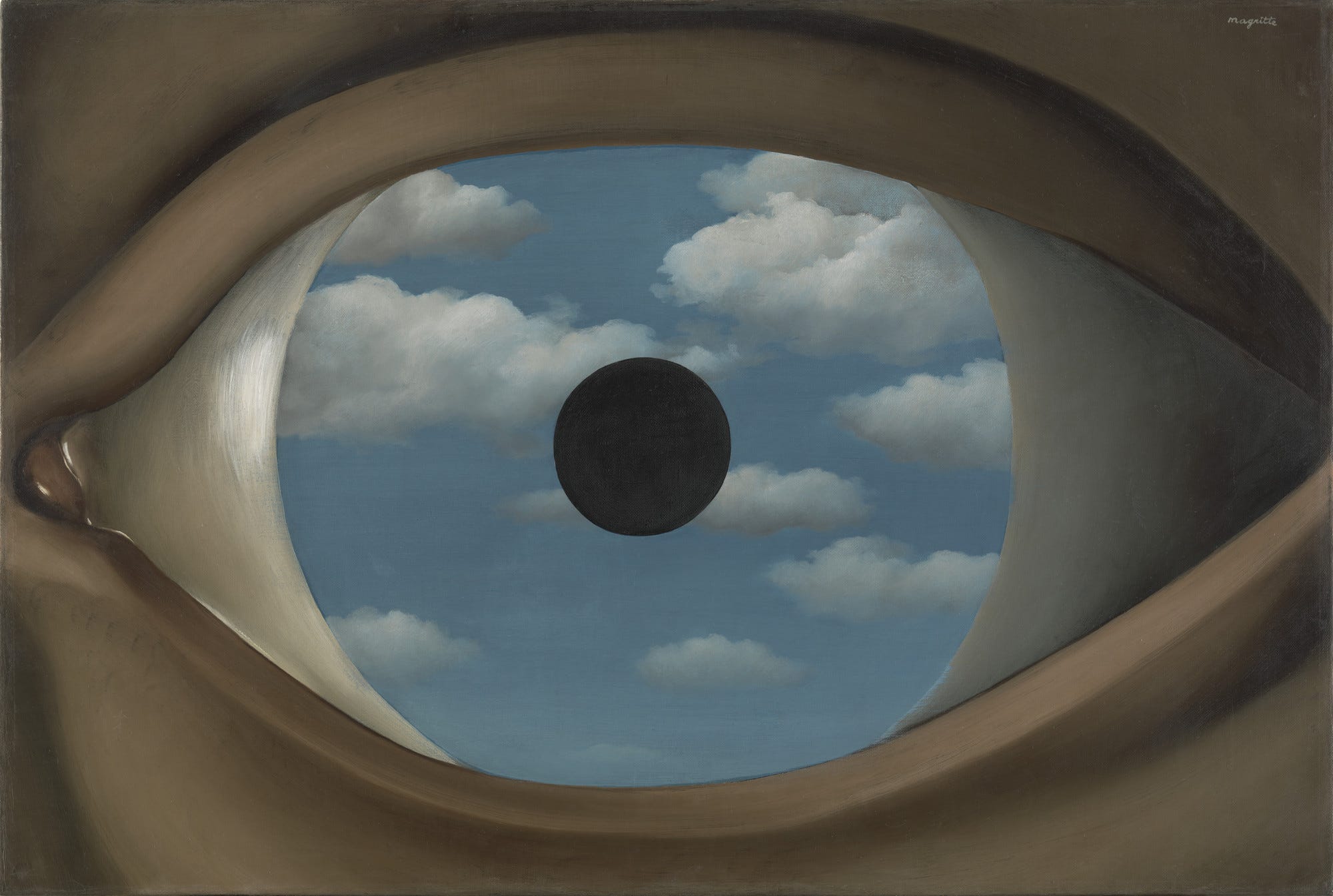
Since art is widely recognized as a self-expression, venturing into the nature of the self changes how we view art itself. The process of artmaking, being prima facie a self-expression, entails the artist to either intentionally or unintentionally assert themself. Within said asserting, their moral-political self, among other aspects, has been made visible. Nonetheless, this only works provided that the self is a unified, coherent whole. Regarding the unified, coherent self, Jacques Lacan (1949, trans. 2006) asserted that the whole self is but an infantile méconnaissance (misrecognition) when a baby mistakenly deems the image they see in the mirror to wholly be themself; this illusion would later be the foundation of the ego (1).
Furthermore, in his analogy, Maxwell (1999) demonstrated that a person is all too complex; no one will know all there is to know about a given person, although said person might be one’s friend or relative, since all their relationships know them by different aspects and in different degrees (2).
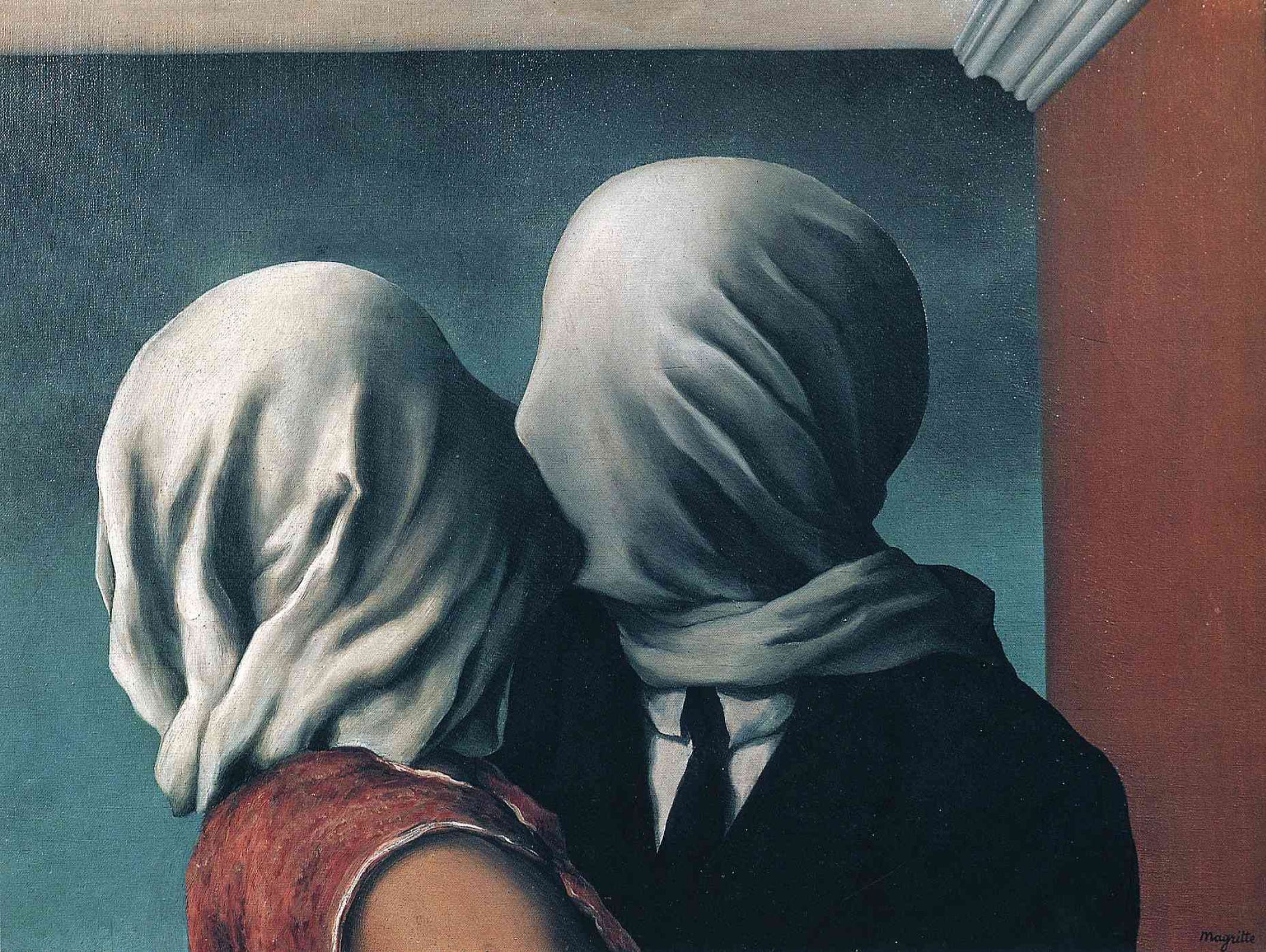
Therefore, from (1) and (2), a person and the corresponding self exists in multitudinous aspects which cannot be fully grasped by said person themself and their relationships. And if the self is vast, one cannot possibly articulate all of themself, including their moral-political self, within an artwork. Since each artwork can only cover so many different aspects of the artist’s self, to demand “art for social change” might come off as neglecting the epistemological struggle in the assertion of the self. And if one is to assert that the moral-political self be privileged, one needs to foreground as to why the moral-political self is more important than other aspects of the self.
And, analogous to the self, one may go further to propose that the teleology of art should be treated likewise to the teleology of humans—i.e., in an existentialist manner. Nietzsche (1882, sec. 125) proposes that God is dead, and thus the human race is left to derive their teleology from within themselves.
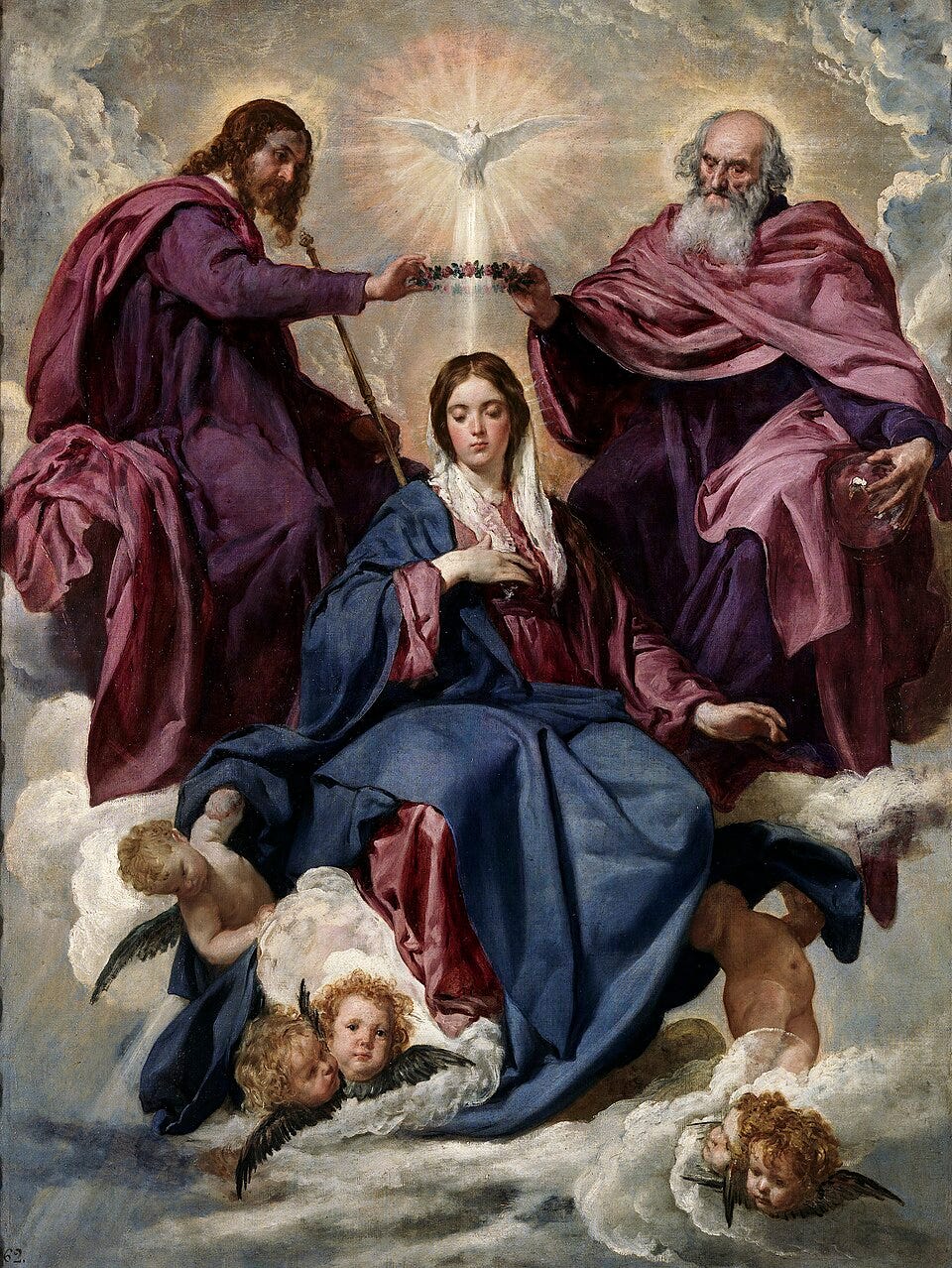
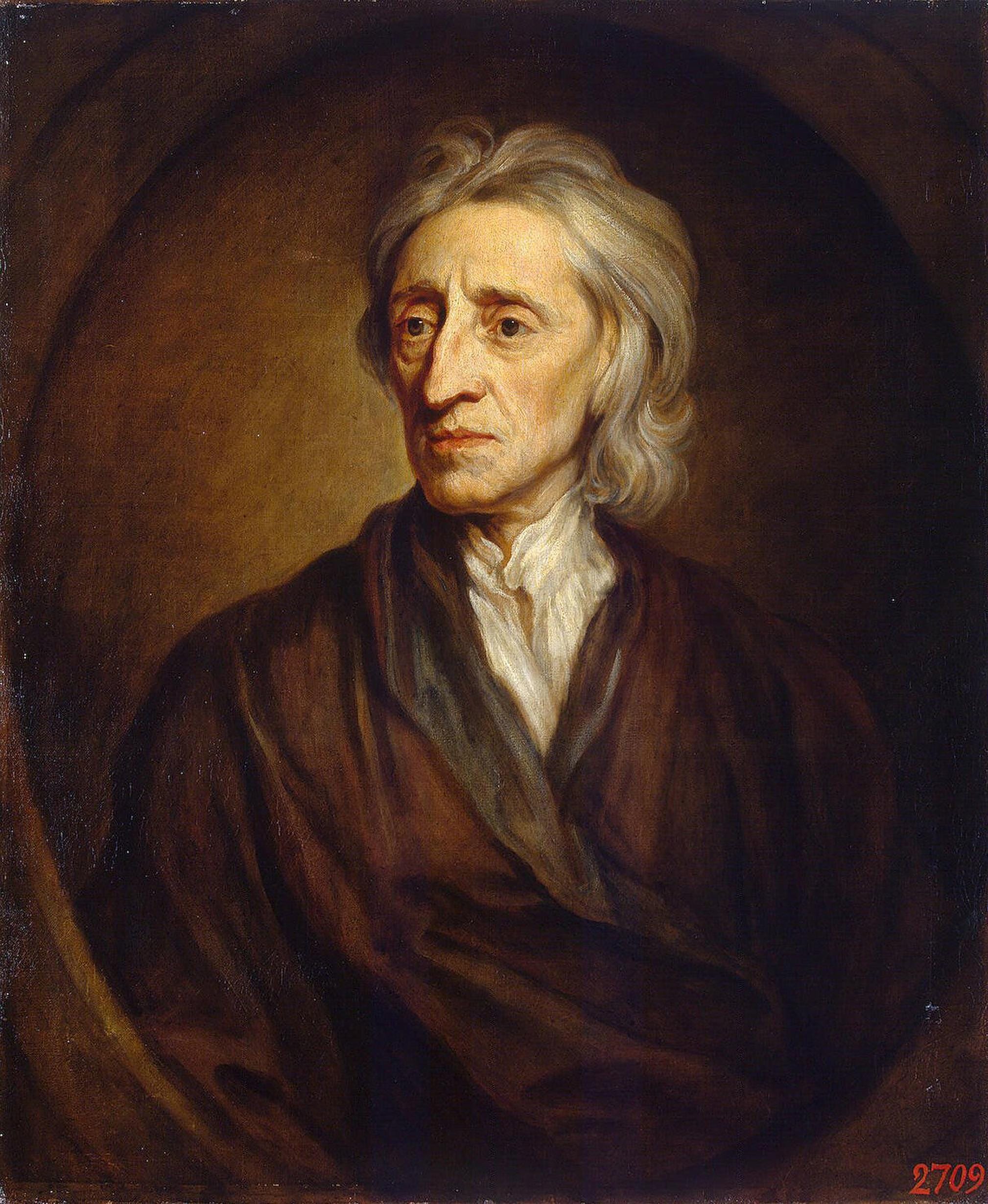
But how may this teleology be resonant to the work of art—art does not, and cannot, derive its meaning from itself because it is obviously non-sentient. However, the teleology of the work of art is articulated by humans, and all humans are created “all free, equal, and independent” Locke (1690, sec. 95). Thus, without a divine authority which may gesture toward a divine purpose for humans, and consequently, for the art as an activity of humans, one’s articulation of the teleology of the art is just as legitimate as the articulation of the same kind made by others, as humans are equal by nature. This perspective can be better underpinned when one considers artmaking as a process to create which is in itself meaningful to the artist, rather than meaningful because the artist knows what the artwork is to do—i.e., the artwork’s existence precedes its essence.
From examining the ontology and teleology of the human race itself, the teleology of an artwork can be reimagined as non-definitive and multiplicative likewise the artist by whom the work was created. Thus, the non-authoritative articulation of the teleology of art, while seemingly dismissing every attempt at asserting a teleology, does invite us to chime in: What is an artwork, and the art, supposed to do for each of us—intrapersonally?
Lacan, J. (2006). Ecrits, the first complete edition in English (B. Fink et al, Trans.). W. W. Norton & Company. (Original work published 1949) https://www.sas.upenn.edu/~cavitch/pdf-library/Lacan%20Mirror%20Stage.pdf
Locke, J. (1690). The Second Treatise of Government. https://english.hku.hk/staff/kjohnson/PDF/LockeJohnSECONDTREATISE1690.pdf
Maxwell, N. (1999). Are there Objective Values?. The Dalhousie Review, 79(3), 301-317. https://discovery.ucl.ac.uk/id/eprint/105657/1/105657_28%20Are%20there%20Objective%20Values.pdf
Nietzsche, F. W. (1882). The Gay Science: Parable of the Madman. https://philosophy.hku.hk/courses/200506/yphi0002/files/28-sept.htm